
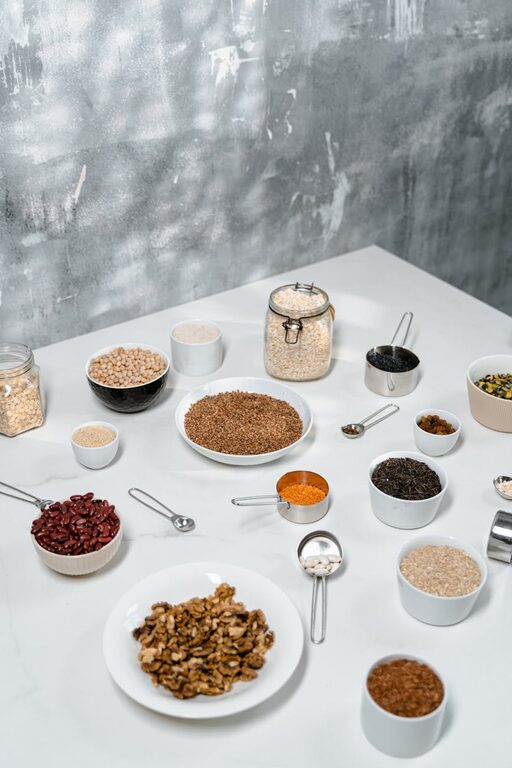
When your pantry is stocked with a variety of staples, meal planning can become a fun and efficient process. Using pantry staples not only saves time and money but also reduces food waste and limits last-minute trips to the grocery store. In this post, we’ll explore practical ways to plan meals around what you already have, helping you create delicious dishes with ease.
Understanding Pantry Staples
Pantry staples are non-perishable food items that serve as the foundation for many recipes. Common staples include:
– Canned goods (beans, tomatoes, vegetables)
– Dried grains (rice, pasta, quinoa)
– Baking essentials (flour, sugar, baking powder)
– Oils and vinegars
– Spices and dried herbs
– Broth or bouillon cubes
By keeping your pantry organized and well-stocked with versatile ingredients, you create endless possibilities to craft meals on the fly.
Step 1: Take Inventory of Your Pantry
Before planning your meals, start by taking stock of what you have available. This helps minimize waste and enables you to plan meals around existing ingredients.
– Pull everything out or take a photo of your shelves.
– Check expiration dates and toss anything expired.
– Group similar items together to get a clear overview.
Knowing exactly what you have will give you confidence when creating your meal plan.
Step 2: Choose a Protein Base
Many pantry staples can serve as the foundation of a meal, especially if you include protein sources like:
– Canned beans (black beans, chickpeas, lentils)
– Canned tuna or salmon
– Dried lentils or split peas
– Nut butters (peanut, almond)
Select a protein to build your meals around. For example, chickpeas make an excellent base for curries, salads, and stews.
Step 3: Pair Proteins with Grains or Pasta
After settling on a protein, choose your grain or pasta to accompany it. Common staples include:
– Rice (white, brown, wild)
– Pasta (spaghetti, penne, macaroni)
– Quinoa or couscous
– Barley or bulgur
This combination forms a balanced meal that is filling and nutritious.
Step 4: Add Canned or Dried Vegetables
Vegetables are essential for flavor and nutrition, and many pantry staples fit the bill:
– Canned tomatoes or tomato sauce
– Canned corn, peas, or green beans
– Jarred roasted red peppers
– Dried mushrooms or sun-dried tomatoes
Incorporate these into your meals to boost taste and variety.
Step 5: Use Spices and Herbs to Elevate Flavors
A well-stocked spice rack is your best friend. Even simple staples can be transformed with the right seasonings:
– Garlic powder, onion powder
– Cumin, paprika, chili powder
– Italian herbs, dried basil, thyme
– Curry powder or garam masala
Experiment with different spice blends to keep meals interesting.
Step 6: Plan Sample Meals Using Pantry Staples
Here are some meal ideas that primarily use pantry items:
1. Chickpea Curry
– Canned chickpeas
– Canned diced tomatoes
– Curry powder, garlic, onion powder
– Coconut milk (optional, can be substituted with broth)
– Serve over rice
2. Tuna Pasta Salad
– Canned tuna
– Pasta
– Jarred roasted red peppers or canned peas
– Olive oil, vinegar, dried herbs
– Optional: canned olives
3. Lentil Soup
– Dried lentils
– Canned tomatoes
– Vegetable broth or bouillon cubes
– Carrots and celery (if fresh or substitute with dried flakes)
– Season with thyme and bay leaf
4. Black Bean Tacos
– Canned black beans
– Taco seasoning (or mix chili powder, cumin, garlic powder)
– Tortillas (can be pantry-stored flour or corn tortillas)
– Top with canned corn, salsa, or jarred jalapeños
5. Pasta with Tomato Sauce
– Pasta
– Canned tomato sauce
– Garlic powder, onion powder, Italian herbs
– Drizzle of olive oil and sprinkle of parmesan (optional)
Step 7: Mix and Match to Avoid Repetition
Don’t be afraid to swap ingredients depending on what’s in your pantry or preferences. For example, substitute quinoa for rice or swap black beans for chickpeas in salads. Keeping meals flexible makes using pantry staples more enjoyable.
Step 8: Make a Weekly Meal Plan
– List out meals for 5–7 days based on your pantry inventory.
– Include any fresh ingredients you may need to supplement.
– Prep ingredients in advance where possible, like soaking lentils or chopping fresh produce.
Writing a plan reduces daily decision-making stress and helps ensure you use pantry items efficiently.
Extra Tips for Pantry Meal Planning
– Organize your pantry: Categorize staples so you can quickly locate what you need.
– Rotate stock: Use older items first to prevent spoilage.
– Keep a running grocery list: When you spot low quantities, add essentials to your shopping list.
– Try new recipes: Explore cuisines that rely heavily on pantry staples, like Middle Eastern or Indian dishes.
– Batch cook and freeze: Prepare large quantities and freeze portions for busy days.
Conclusion
Planning meals from pantry staples is a great way to eat well without constant grocery shopping or fuss. By knowing what you have, pairing proteins with grains and vegetables, and seasoning creatively, you can enjoy a variety of delicious meals. Start with a pantry audit today and see how many tasty dishes you can create from what’s already in your kitchen!
Happy cooking!